
{
“title”: “Climate Risk: The Hidden Operational Debt Reshaping Technology Strategy”,
“meta_description”: “Climate change is no longer an environmental issue; it is a structural threat to tech operations. Leaders must adapt their infrastructure and strategy to survive.”,
“tags”: [“Climate Risk Management”, “Tech Infrastructure”, “Operational Resilience”, “Corporate Sustainability”, “Supply Chain Strategy”, “Data Center Efficiency”],
“categories”: [“Technology”, “Business”],
“body”: “
The New Reality of Infrastructure Fragility
Most leadership teams treat climate change as a reputational concern or a regulatory hurdle. This framing is a strategic error. Climate volatility represents an escalating form of operational debt that threatens the physical foundations of the digital economy. As extreme weather events increase in frequency and intensity, the data centers, submarine cables, and semiconductor fabrication plants that underpin modern strategy are becoming critical points of failure.
Technology is not an abstract cloud; it is a collection of physical assets requiring precise environmental conditions. When heatwaves compromise cooling efficiency or floods disrupt the power grid, the operations of global tech firms face immediate, high-stakes downtime. For the modern operator, the climate is now a primary variable in risk modeling, requiring a shift from reactive mitigation to proactive, resilient architecture.
Supply Chain Volatility and Hardware Constraints
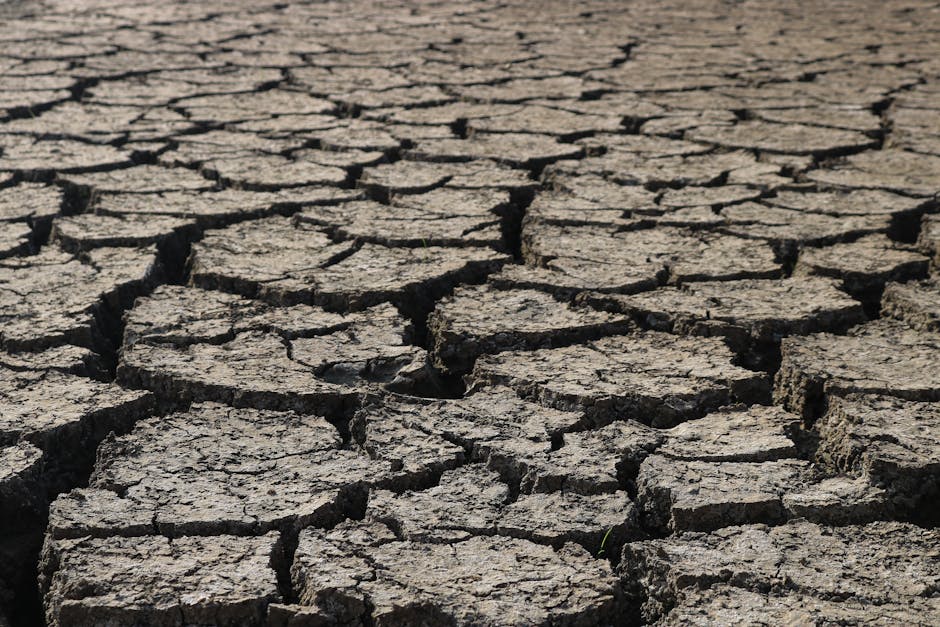
The semiconductor industry serves as the most acute example of climate-driven disruption. Manufacturing processes for advanced chips require immense volumes of ultrapure water and strict ambient temperature control. Regional droughts, such as those seen in Taiwan, place immense pressure on these supply chains, forcing executives to rethink their procurement models. Relying on single-region manufacturing is no longer just a geopolitical risk; it is a climate-exposed bottleneck.
High-performers are now stress-testing their supply chains against multi-decade climate projections. This requires integrating decision-making frameworks that account for localized climate risks alongside traditional financial metrics. Failure to diversify geographical dependencies for physical hardware is a failure of governance.
The Energy Paradox of AI
Artificial Intelligence is simultaneously a tool for climate modeling and a massive consumer of energy resources. As enterprises push to scale large models, the demand for high-performance computing centers continues to spike, straining local power grids that are already struggling under the weight of warming-induced surges in cooling demand. This creates a circular dependency: we need AI to optimize energy efficiency, yet the hardware that runs these systems requires more energy than ever before.
Savvy leaders are evaluating AI not just by its output, but by its energy intensity. Efficient codebases, optimized inference, and hardware-aware programming are shifting from niche interests to core operational requirements. True performance in the coming decade will be measured by the ability to extract more compute power per watt, as energy costs fluctuate in response to climate-stressed markets.
Building Adaptive Systems
Resilience requires a fundamental shift in how organizations design systems. Distributed infrastructure, once a standard for performance, is now a necessity for survival. Edge computing allows organizations to localize data processing, reducing reliance on centralized, vulnerable data centers. Furthermore, cloud-native architectures that enable seamless migration between geographical regions provide the necessary agility to move workloads before weather-related disruptions occur.
Corporate leaders must prioritize modularity. By decoupling core services from specific physical nodes, organizations can maintain service continuity even when localized infrastructure is compromised. This level of productivity—maintaining output during extreme events—is what separates organizations that thrive from those that merely attempt to minimize loss. Visit thebossmind.com for further resources on building resilient organizational systems in volatile environments.
Further Reading
”
}






Leave a Reply